
Philadelphia Premiums Just Jumped 28.9%: Here's Why That Makes a Free Claim Review Worth More Than Ever
Pennsylvania homeowners insurance premiums rose 28.9% after adjusting for inflation between December 2021 and June 2025, according to the Federal Reserve Bank of Philadelphia. For homeowners facing higher insurance costs, understanding whether a property damage settlement reflects the covered damage and reasonable repair costs has become increasingly important.
If your home has suffered storm, water, fire, or other covered property damage, an independent claim evaluation can help you understand the insurer's estimate, identify questions about the proposed settlement, and determine whether further review may be worthwhile.
Your homeowners insurance premium may have increased over the past few years. If you live in Philadelphia, those rising costs can make an unexpected property repair even more difficult to manage.
However, a higher premium does not automatically mean an insurer will pay more or less on an individual claim. Premiums and claim settlements are calculated differently, and the amount payable depends on the policy, the covered damage, applicable limits and deductibles, and the circumstances of the loss.
Before accepting a settlement you do not fully understand, consider contacting TSO Adjustment Service for guidance. A free insurance claim evaluation in Philadelphia can help you review the available information before deciding how to proceed.
Why Did Pennsylvania Home Insurance Premiums Rise So Much?
The Federal Reserve Bank of Philadelphia reported that inflation-adjusted homeowners insurance premiums in Pennsylvania increased by 28.9% between December 2021 and June 2025. The increase was higher than the corresponding increases in Delaware and New Jersey during the same period.
The report identifies several broader pressures affecting homeowners insurance costs, including weather-related losses, rising construction and labor expenses, and reinsurance costs. These factors can influence what insurers charge to provide coverage.
Philadelphia homeowners may also face property-specific concerns when assessing insurance needs.
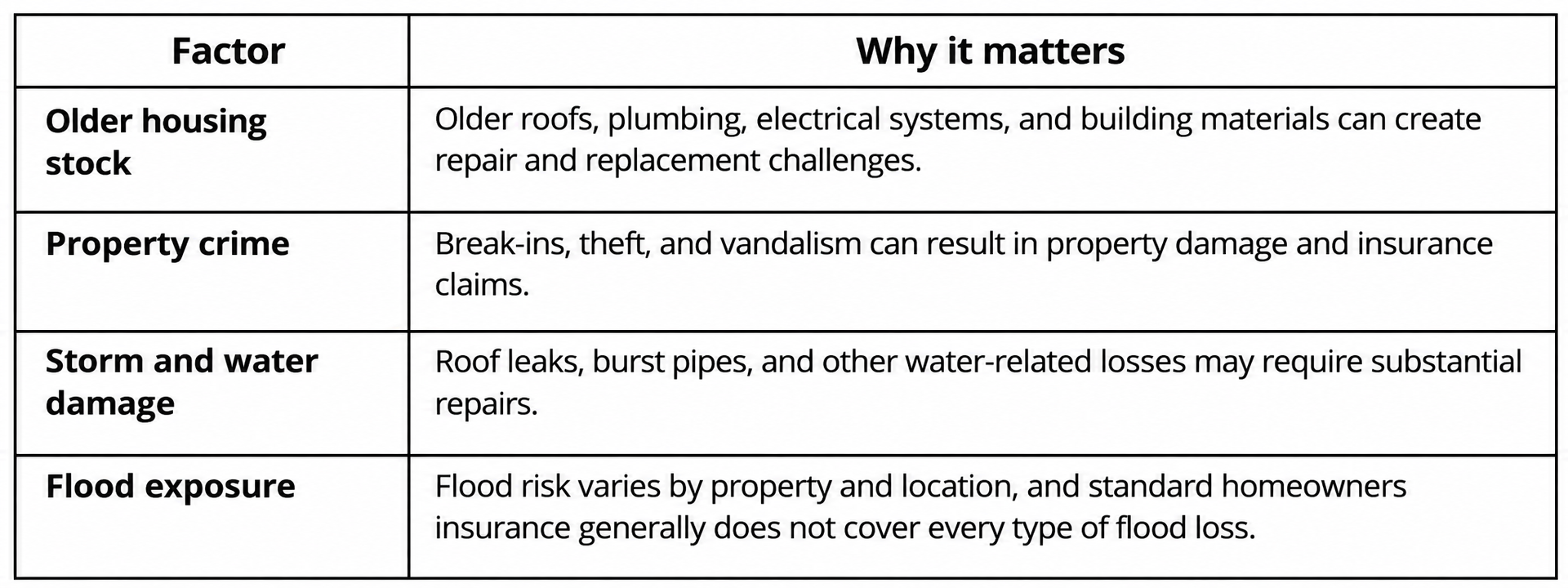
These factors do not determine the outcome of an individual claim. Coverage depends on the policy wording, the cause of the damage, applicable exclusions, and the evidence supporting the loss.
Does a Higher Premium Mean I'll Receive a Better Claim Payout?
Not necessarily. The premium you pay for insurance and the amount payable under a claim are separate matters.
Your premium reflects the insurer's assessment of risk, the coverage selected, and other rating factors. A claim settlement, on the other hand, depends on the loss and the terms of your policy.
For example, suppose a storm damages your roof and causes water to enter your home. The insurer may prepare an estimate for the covered repairs. If you believe the estimate leaves out damaged materials, necessary work, or other eligible costs, you can ask for clarification and provide supporting documentation.
The difference between two estimates does not automatically mean that either party is acting improperly. Differences may arise from the scope of repairs, measurements, material prices, depreciation, deductibles, or disagreements about what caused the damage.
Reviewing the estimate against the actual damage and your policy can help you identify specific issues that need attention.
Why Consider a Free Insurance Claim Evaluation Before Accepting a Settlement?
An independent evaluation can give you another perspective on the damage assessment and the proposed settlement.
An insurer's adjuster evaluates the loss on behalf of the insurance company. A public adjuster, by contrast, represents the policyholder when engaged to assist with an insurance claim.
A review may be useful if:
- The insurer's estimate appears to omit damaged areas or necessary repairs.
- You have received a settlement offer that you do not understand.
- The insurer disputes whether certain damage resulted from a covered event.
- You have questions about depreciation, repair estimates, or policy provisions.
- Your claim has been denied, underpaid, or delayed, and you want to understand your options.
A free insurance claim evaluation in Philadelphia can help you identify questions to raise before making a decision about the claim.
An evaluation does not guarantee a higher settlement. If the insurer's estimate reasonably reflects the covered loss, the review may simply help you understand how the amount was calculated.
What Happens During a Free Insurance Claim Evaluation?
The process depends on the nature of the damage and the stage of your claim. TSO Adjustment Service offers property damage evaluations and policy reviews to help homeowners understand their claims.
A review may involve the following steps.
1. Discuss the damage
Explain what happened, when you discovered the damage, and what repairs or emergency work have already taken place. Available photographs and records can help establish the scope of the loss.
2. Review the property damage
An inspection may help identify visible damage and areas that require further assessment. The scope of the inspection depends on the property and the circumstances.
3. Examine the available claim documents
Relevant records may include the insurer's estimate, contractor estimates, photographs, inspection reports, invoices, and applicable policy provisions.
4. Identify questions or differences
The review may highlight omitted repairs, differences in estimated quantities, questions about materials or labor, or disagreements about the cause of the damage.
5. Discuss possible next steps
If there are unresolved issues, TSO can explain whether further documentation, clarification, or additional claim review may be appropriate. You can then decide how you wish to proceed.
Contact TSO Adjustment Service at 215-886-7440 to ask about a free evaluation and the information needed for your situation.
Is a Free Insurance Claim Evaluation Really Free?
TSO Adjustment Service advertises a free property inspection and policy review. However, the terms of any subsequent representation are separate from the initial evaluation and should be confirmed directly with the company.
If you decide to hire a public adjuster, review the proposed agreement carefully before signing. Ask about the fee structure, how fees are calculated, and what services are included.
TSO states that it works under a contingent-fee arrangement for claim settlements. The specific terms should be explained in the agreement you receive.
A free initial evaluation does not mean that every service or any later representation is necessarily free. Make sure you understand the applicable terms before proceeding.
How Can I Prepare for a Claim Evaluation?
You do not need to have every document ready before asking for help. However, gathering the information you already have can make the discussion more productive.
Consider preparing:
- Photographs or videos of the damage.
- The date the damage occurred or was discovered.
- A copy of your insurance policy, if available.
- The insurer's estimate, payment information, or written coverage decision.
- Contractor estimates, repair invoices, and receipts.
- Records of temporary repairs or mitigation work.
- Emails and letters exchanged with the insurance company.
If the insurer has requested documents or set a response deadline, continue to meet those requirements. Contacting TSO should not delay a notification or response required by your policy.
You should also take reasonable steps to prevent further damage when it is safe to do so. Do not postpone urgent mitigation while waiting for an inspection or evaluation.
When Should I Contact TSO About My Property Damage Claim?
Consider contacting TSO Adjustment Service if you have questions about the insurer's estimate, are unsure whether all visible damage has been considered, or need help understanding the documentation relevant to your claim.
You do not necessarily need to wait for a denial or a final settlement offer to ask questions about your options. The appropriate next step depends on the stage of your claim and any applicable policy requirements.
If you have already received a payment, retain the settlement documents and check what the payment covers. If additional damage becomes apparent, document it and seek guidance on how to proceed under your policy.
Before accepting a settlement or signing a release, make sure you understand what the agreement covers and whether it affects any remaining claim rights. The consequences depend on the terms of the agreement and the circumstances.
Frequently Asked Questions
How much did Pennsylvania homeowners insurance premiums rise between 2021 and 2025?
According to the Federal Reserve Bank of Philadelphia, inflation-adjusted homeowners insurance premiums in Pennsylvania increased by 28.9% between December 2021 and June 2025. The study also examined premium changes in Delaware and New Jersey.
Do I have to pay for a free insurance claim evaluation?
TSO Adjustment Service advertises a free property inspection and policy review. Ask the company to confirm what the initial evaluation includes and whether any additional services would involve fees.
Can I request an evaluation after I've already filed a claim?
Yes. You can ask a public adjuster to review your situation after filing a claim. The appropriate options depend on the current stage of the claim, your policy, any agreements you have signed, and applicable deadlines.
Why might an insurance settlement be lower than my repair estimate?
The estimates may use different repair scopes, quantities, materials, labor costs, or assumptions about the cause of damage. Deductibles, depreciation, coverage limits, and exclusions can also affect the amount payable. Ask the insurer to explain the differences and provide supporting documentation if you disagree.
Does requesting an evaluation mean I have to dispute my insurer's decision?
No. An evaluation can help you understand the available information and identify questions about the estimate. You can decide whether further action is appropriate after reviewing the findings.
Is a free claim evaluation worthwhile for smaller property damage claims?
It may be useful if you are uncertain whether the estimate includes the necessary covered repairs. Consider the amount in dispute, your deductible, the potential costs of further review, and the terms of any representation agreement before deciding how to proceed.
Have Questions About Your Property Damage Claim? Contact TSO First.
Rising homeowners insurance premiums can make it especially important to understand the coverage you have and the settlement being offered after property damage.
If you are a Philadelphia homeowner with questions about a property damage claim, contact TSO Adjustment Service at 215-886-7440 to discuss a free evaluation and policy review.
TSO can help you understand the available claim documentation, identify questions about the damage assessment, and discuss possible next steps.
Contact TSO before contacting your insurer when practical, but do not delay any notification or response required by your policy. Continue to meet applicable deadlines and take reasonable steps to prevent further damage.
You can also visit the TSO Adjustment Service website to learn more about its property damage claim services.